


TMS Myths vs. Facts: Separating Truth from Fiction
Few treatments are as misunderstood as TMS. Fear and outdated assumptions stop people from trying something that could change their lives. Let us set the record straight on TMS Myths vs Facts, because decisions about your mental health should be based on truth, not TMS misconceptions.
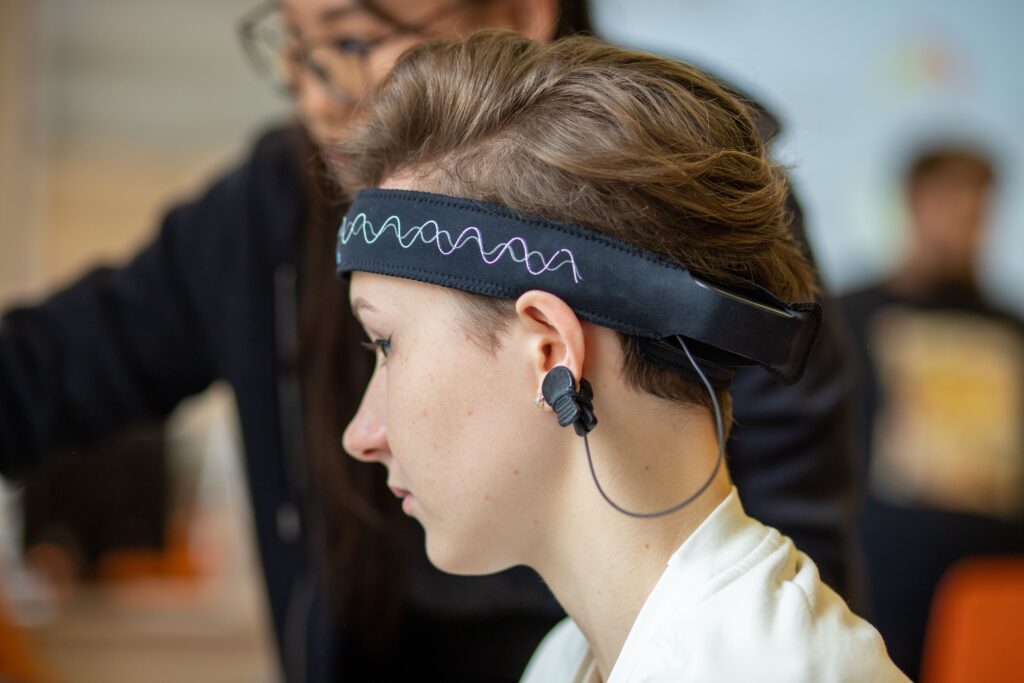
Myth 1: TMS Is the Same as Shock Therapy
This is the biggest myth of all. TMS is emphatically not shock therapy. Unlike ECT, TMS uses gentle magnetic pulses, requires no anesthesia, causes no seizures, and has no effect on memory. You stay fully awake and drive yourself home. Our detailed comparison of TMS vs. ECT lays out the differences clearly.
Myth 2: TMS Is Painful
Fact: most patients describe only a tapping sensation on the scalp. Any mild discomfort or headache typically fades within the first week. TMS is a non-invasive outpatient procedure, not a painful ordeal. See our honest overview of TMS side effects.
Myth 3: TMS Is Experimental or Unproven
Fact: TMS is FDA cleared and backed by extensive clinical research. It has been used for well over a decade for depression, OCD, and more. Real-world success rates are strong, especially for patients who did not respond to medication.
Myth 4: TMS Is Too Expensive and Never Covered
Fact: most major insurers, including Medicare, cover TMS for treatment-resistant depression when criteria are met. Very few patients pay the full list price. Get the real numbers in our cost guide and insurance guide.
Myth 5: TMS Changes Your Personality
Fact: TMS does not alter who you are. Patients consistently report feeling more like themselves again, not different, as the fog of depression lifts. To understand why, read how TMS therapy works.
Frequently Asked Questions
Is TMS the same as electroconvulsive therapy?
No. TMS uses focused magnetic pulses with no anesthesia, seizures, or memory effects. ECT is an entirely different procedure.
Does TMS have long-term side effects?
TMS has an excellent long-term safety profile. The most common effects are mild scalp discomfort or headache that fade early in treatment.
Is TMS really covered by insurance?
Yes, most major insurers cover it for treatment-resistant depression when medical criteria are met. We verify your benefits before you begin.
Ready to replace the myths with the facts? Schedule your confidential consultation with Hidalgo TMS Psychiatric Services in Miami today.